NGR and Negative Carryover, Explained Before You Sign
One player wins big in March and your April RevShare is zero — legally, per the contract you signed. Here is the clause, the math, and how to decide when it is acceptable.
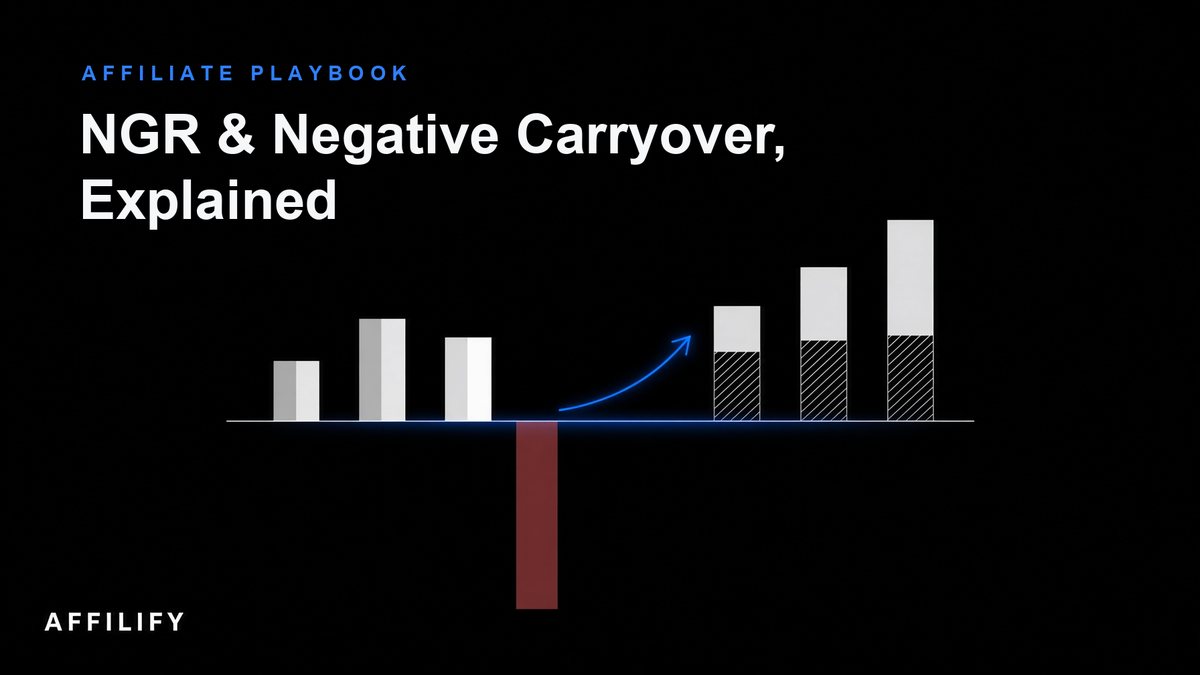
NGR is gross gaming revenue minus bonuses, payment costs and fees — RevShare pays on this, not on deposits. Negative carryover means a losing month is subtracted from your next months before RevShare pays again. Neither is a scam, but both must be priced into which deal model you pick per traffic type.
RevShare percentages get all the attention — "up to 55%!" — while the two definitions that decide what those percentages actually pay hide in the terms: what counts as revenue, and what happens when revenue is negative.
GGR vs NGR, in one paragraph each
GGR (gross gaming revenue) is bets minus player winnings — the raw house result from your players. NGR (net gaming revenue) is GGR minus the costs of producing it: bonus money given to players, payment processing costs, and gaming taxes or platform fees, per the deal's definition. RevShare deals almost always pay on NGR — you share what the operator actually keeps, not the raw turnover.
| Month example | GGR | Bonuses + fees | NGR | Your 40% RevShare |
|---|---|---|---|---|
| Normal month | $5,000 | $1,500 | $3,500 | $1,400 |
| Heavy-bonus month | $5,000 | $3,800 | $1,200 | $480 |
| A player wins big | −$4,000 | $800 | −$4,800 | $0 |
Illustrative numbers — every deal defines its own NGR deductions. That is the point of reading them.
Negative carryover: the month that follows you
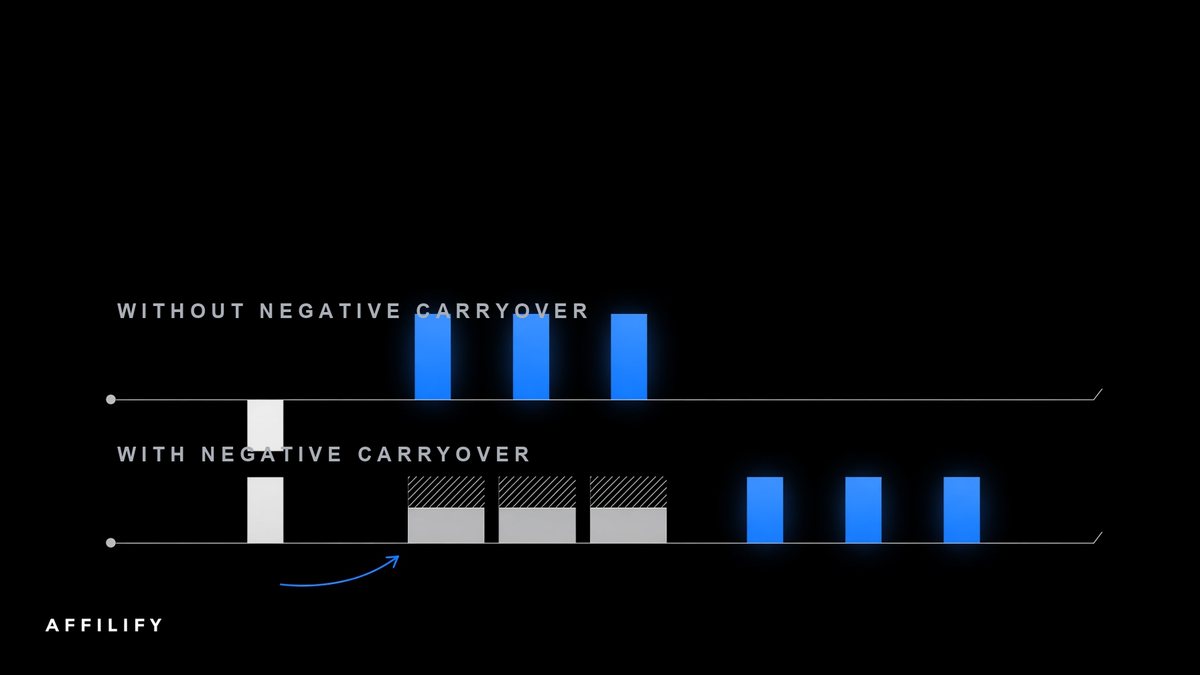
When your players win more than they lose, NGR goes negative. Without negative carryover, the month resets to zero and you earn normally next month. With carryover, that −$4,800 is carried forward: your next months' NGR fills the hole first, and your RevShare resumes only after the balance crosses back above zero.
Is carryover unfair?
It is symmetric, actually: you share the operator's downside the way you share the upside. What makes it fair or unfair is who your players are. Ten casual players smooth out; one VIP whale swings NGR violently in both directions. Carryover with high-roller traffic can bury a small affiliate for months — the same clause with volume traffic is barely noticeable.
How to decide, by traffic type
- Volume or SEO traffic, many small players — NGR RevShare with carryover is usually fine; variance averages out.
- Few players, high stakes — negotiate CPA or hybrid, or a carryover cap; one whale should not own your quarter.
- Just starting — this is why the AFFILIFY ladder begins on RevShare and unlocks CPA at Bronze: by the time you choose models freely, you have your own data on how your traffic behaves.
Questions to ask before signing any RevShare deal
- Which exact deductions define NGR here — bonuses, payment costs, taxes, admin fees?
- Is negative carryover per-brand or across brands?
- Does the negative balance ever reset (quarterly, annually, on renegotiation)?
- How is a big-win month displayed in reporting, so you can verify the math?
On AFFILIFY, deals state their model up front, NGR-based RevShare with negative carryover is supported and labelled as such, and your statistics show the numbers the calculation ran on — the whole dispute-prevention strategy is that you can check.
Next: the published level ladder.
Frequently asked questions
What does NGR mean in gambling?
Net gaming revenue: gross gaming revenue (bets minus player winnings) minus deductions the deal defines — typically bonuses, payment processing and gaming taxes or fees. RevShare deals usually pay a percentage of NGR.
What is negative carryover in affiliate deals?
A clause carrying a negative NGR month forward: future revenue repays the deficit before your RevShare resumes. Without it, each month resets at zero.
Can NGR be negative even when my players deposited a lot?
Yes — deposits are not revenue. If players win more than they lose, GGR and therefore NGR is negative regardless of deposit volume.
Does AFFILIFY support deals without negative carryover?
Deal terms are set per brand — the model and its terms are shown before you promote, so you can compare and choose deals whose structure fits your traffic.
More from this cluster
When to Ask for a Better Affiliate Deal
Volume, quality, exclusive: three reasons a brand might actually move. How to time the ask, what to put in writing, and the asks that get you ignored.
Sub-IDs for Split Testing: Ten Slots, Used Properly
A tracking link without sub-ids tells you that traffic arrived. A tracking link with sub-ids tells you which headline, which GEO split, which creator and which landing produced the FTD. Ten slots, what to put in each, and the mistakes that make the report unreadable.
Restricted Traffic Sources: What Closes an Account, and What Does Not
Three tiers of traffic source: generally accepted, needs written permission per brand, and never. Almost every lost deal happens in the middle tier, where somebody read silence as a yes. Brand bidding and incentivized traffic explained properly, plus what a reversal actually costs.