Spain for Affiliates: DGOJ Advertising Limits
A DGOJ licence is the stable half of Spain. The advertising rules on top of it were cut back by a court in 2024 and are being rebuilt by legislators now. What still binds your creative, what the register tells you that the offer sheet does not, and why the bonus is the shortest-lived thing on a Spanish page.
Spain licenses gambling properly and then argues with itself about how it may be advertised. The 2020 advertising decree was among the strictest in Europe until the Supreme Court cut articles out of it in 2024, and the limits have been finding their way back into legislation ever since. The licence half of Spain is stable. The creative half is a moving object, and an evergreen Spanish page is a bet on which version is in force when somebody finally reads it.
I am not a lawyer and this is not legal advice. Spain is Europe's clearest case of rules that changed after the pages were written, so treat any dated summary, this one included, as a starting point. Read the brand's contract. Look the operator up on the DGOJ register, ask whoever owns compliance at the brand what is allowed this quarter, and if the budget is serious, buy an hour from a Spanish lawyer.
The badge, and the domain it sits on
Spain is point of consumption. The Dirección General de Ordenación del Juego licenses operators under Ley 13/2011, and a licensed brand takes Spanish residents on a .es domain carrying the Juego Seguro seal and its licence details in the footer. If your Spanish traffic lands on a .com, there is nothing left to discuss.
The structure catches people out. An operator holds a general licence for a family of games, then singular licences for the individual products underneath it: sports betting, slots, roulette, blackjack, poker, bingo. Licensed for sport and not for slots is an ordinary state of affairs, not a red flag. It does mean your casino review is pointing at a product that brand may not be allowed to offer here. iGaming licences affiliates should recognise is the badge guide across markets. This is the Spanish chapter of it.
The register lists the operating entity and the domains that entity may run. Brand names move around. Entities mostly do not. Find the entity, note the date you checked it, and hold that against the allowed-GEO list on the offer. When the two disagree, the register is right and the offer sheet is old.
What the rules still do to your creative
Strip out everything the courts have touched and a hard core is left. That core is what should shape a Spanish media plan.
Television, radio and video platforms may carry gambling advertising inside a window that opens at one in the morning and shuts at five. That is the whole slot. People of public standing may not front the message: no footballer, no television face, no rented celebrity. Shirt sponsorship is gone, stadium naming with it. Nothing may be aimed at minors, at anyone listed on the national self-exclusion register, or at players the operator already has reason to treat as at risk. Promotional material carries the age mark and the responsible-gambling marks, and the operator has to be identifiable inside it.
None of that is decoration on the brand's side. A Spanish licence is answerable for what its marketing partners publish, which is why a Spanish contract arrives with creative approval, an allowed-source list and clawback language attached to it. Restricted traffic sources is the general list of what programs refuse anywhere. Spain narrows it further, and the narrowing is not always visible from outside the brand.
The part the courts took out
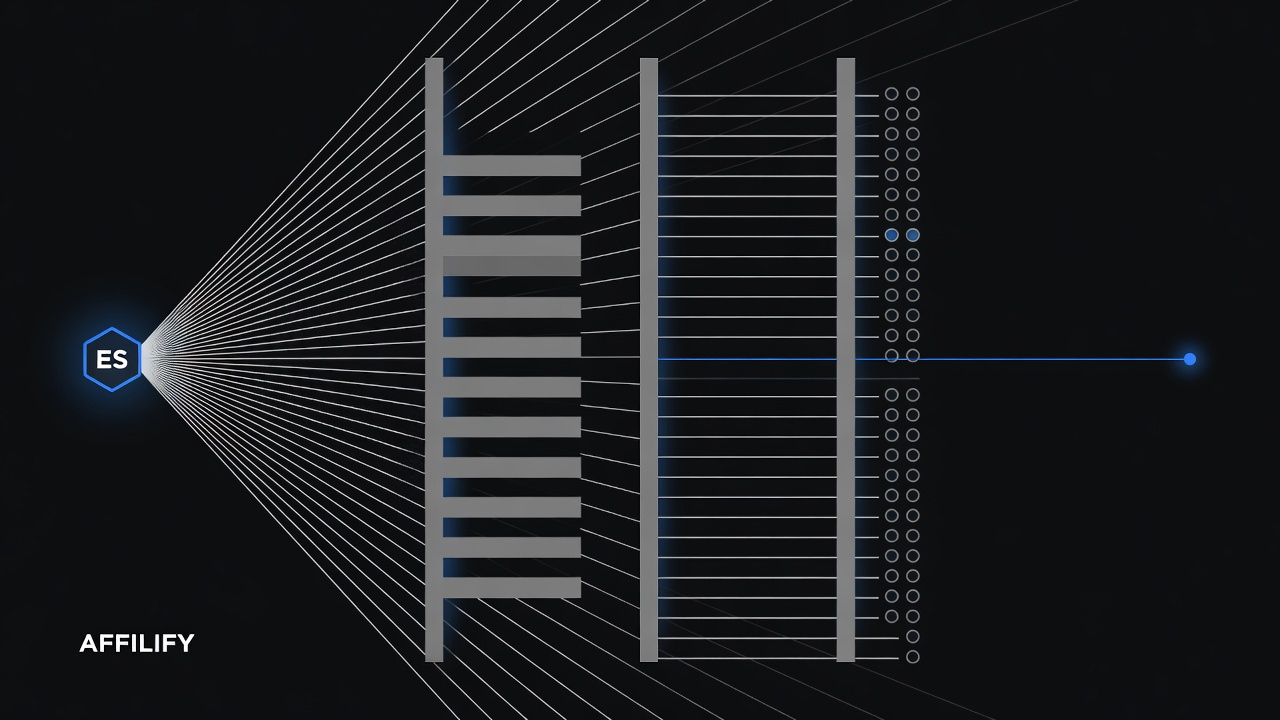
In April 2024 the Supreme Court annulled several articles of the advertising decree, on the reasoning that a decree could not carry limits of that weight without a law of the right rank behind it. Among the pieces that fell: the ban on promotions aimed at winning new customers, and the provisions written specifically around social platforms and affiliate marketing.
Operators noticed within the week. Welcome offers came back to Spanish sites that had not carried one since the decree's transition period ended. Then the policy work started, on putting the same limits into a statute the same argument cannot touch, and it has been grinding through the machinery since.
For an affiliate this resolves into one sentence. The bonus is the least durable asset in Spanish content.
A comparison table ranked by first-deposit match can be accurate on Monday and be describing something a brand is no longer permitted to advertise by the time the next law lands. Welcome bonus math for affiliates is still the arithmetic you need, and in Spain it is arithmetic with an expiry date nobody can write in your calendar.
So build the page on the parts that do not get annulled. The cashier, and whether Bizum sits next to the card form. Live tables dealt in Spanish rather than dubbed. Market depth on a Tuesday, not only the Sunday headline. Withdrawal time. The app. That page survives the next rewrite of the rulebook. The bonus table does not.
Verification, and what it does to the funnel
Spain also runs a player-protection layer that nobody is arguing about. An account is identity-verified before it is allowed to play. Deposit limits get set at registration. Sessions carry messages, operators have to watch for intensive play, and marketing is supposed to stop reaching the players it should not reach.
That is several gates between your click and a qualifying deposit, each with its own drop-off. Your first Spanish month will look broken. It is only Spanish.
| Habit from a loose market | Spain | What it does to your funnel |
|---|---|---|
| Bonus-led comparison table | Advertisable today, contested tomorrow | Shortest shelf life of anything you write |
| Paid social and video as the plan | Window is the small hours, and the platforms add their own rules | Search and Spanish-language depth carry it |
| Celebrity or athlete creative | Not available to you | Your own authority has to do the work |
| Email-and-password signup | Verified before play | Time to FTD stretches, junk accounts fall away |
| Supply-side badge and a translated page | Not licensed to take Spanish residents | Wrong brand, whatever the rate says |
The CPA is priced against that funnel. A Spanish offer that looks generous beside a loose market is not generosity, it is what a verified Spanish player costs to produce. Read qualification before you celebrate: minimum deposit, the window, any turnover condition. On RevShare the trade runs the other way. Fewer players, longer lives, and far less of the churn a bonus-led funnel drags in behind it.
Germany arrives somewhere similar with a different instrument: there the limits follow the player from one operator to the next. Spain puts its friction at the door and on the creative. The conclusion for an affiliate is identical in both. Never price a strict market with a loose market's conversion rate.
Five checks before a Spanish click
- Is the operating entity on the DGOJ register today, and is the domain in your tracking link the .es one the register lists for it?
- Which singular licences does it hold for the products you are planning to write about?
- What may you publish, where, and in which language, in writing, from whoever owns compliance at the brand rather than sales?
- What counts as a qualifying FTD on this brand in ES: minimum deposit, window, turnover condition?
- What happens to pending commission if the brand loses a product authorisation while your content is still live?
If the manager has to go and check the first two, fine. If nobody will answer them at all, that is also an answer.
What Spain is actually good for
A market whose shop window keeps getting redesigned by lawyers is a market where thin content ages badly and good content compounds. That filters out competitors. The affiliates who do well in ES are the ones with real Spanish-language depth, an opinion about the cashier, a football calendar they follow rather than translate, and enough patience to be judged on the second month instead of the first week.
On AFFILIFY the Spanish rate sits inside the deal for that brand and that GEO, quoted in USD whatever currency the cashier runs in. The licence changes none of the plumbing: KYC still gates the withdrawal, pending still clears on its schedule, the ladder still moves on qualifying deposits. What the licence decides is whether you should be sending the click at all.
Frequently asked questions
Can I advertise a welcome bonus to Spanish traffic?
Today, usually yes. The court struck the ban on new-customer promotions in 2024 and the offers came back. Treat that as borrowed time. Legislation restoring the limit has been in progress, and what is allowed this quarter comes from the brand's compliance team, not from a blog post.
Does a Malta licence let a brand take Spanish players?
No. Malta is point of supply: it certifies the operator where the operator sits. Spain wants its own authorisation from the DGOJ, held by an entity on the register, served on a .es domain, with a singular licence for each product the brand offers there. A supply-side badge plus Spanish-language pages is a reason to ask questions, not a reason to write the review. Check the register first, note the date you checked, and check again before a relaunch, because entities lose products without changing their branding.
Do I need a .es domain for my own affiliate site?
The .es requirement sits on the licensed operator, not on your property. What Spain asks of you is substance: Spanish written by somebody who speaks it, the payment methods people there actually use, football coverage that holds up midweek and not only on derby day. A translated English site will rank for something and convert like a tourist brochure.
Are affiliates licensed separately in Spain?
There is no separate affiliate licence. The licensed activity is operating the gambling business. That does not put you outside the rules. Advertising law binds what gets published about a licensed operator, and the operator's licence conditions reach its marketing partners through the contract you signed, which is why creative approval and source lists are not decoration. This is a local question and not legal advice, so get the answer from the brand in writing.
More from this cluster
Brazil for Affiliates after Lei 14.790
Federal licensing since 2025, a public list of authorised brands, PIX on the cashier, Portuguese or nothing. What SPA actually changed for affiliates, and the checks to run before you send a Brazilian click.
iGaming Licences Affiliates Should Recognise
MGA, Curaçao, UKGC, GGL, ADM, DGOJ, ANJ, SPA, HGC. The badge on the offer is a statement about which players the brand may take, which ads you may run, and which register you should look at before you send a click. A working field guide, not a legal opinion.
Where You Can Actually Send iGaming Traffic, and What Changes in Each Market
Regulated, open, grey, closed. Four kinds of market, and which one you are looking at decides your CPA, your traffic sources, what the creative may say, and whether a payout can be taken back. A framework that outlives the rules, plus the checklist to run before you buy the domain.